
Ellis County Pros

Ellis County guide

Signs Your House Is Settling (Foundation Problems)

Published 2026-06-15

House settling and foundation settling signs on Ellis County clay — when symptoms are normal, when to worry, and what to do next.
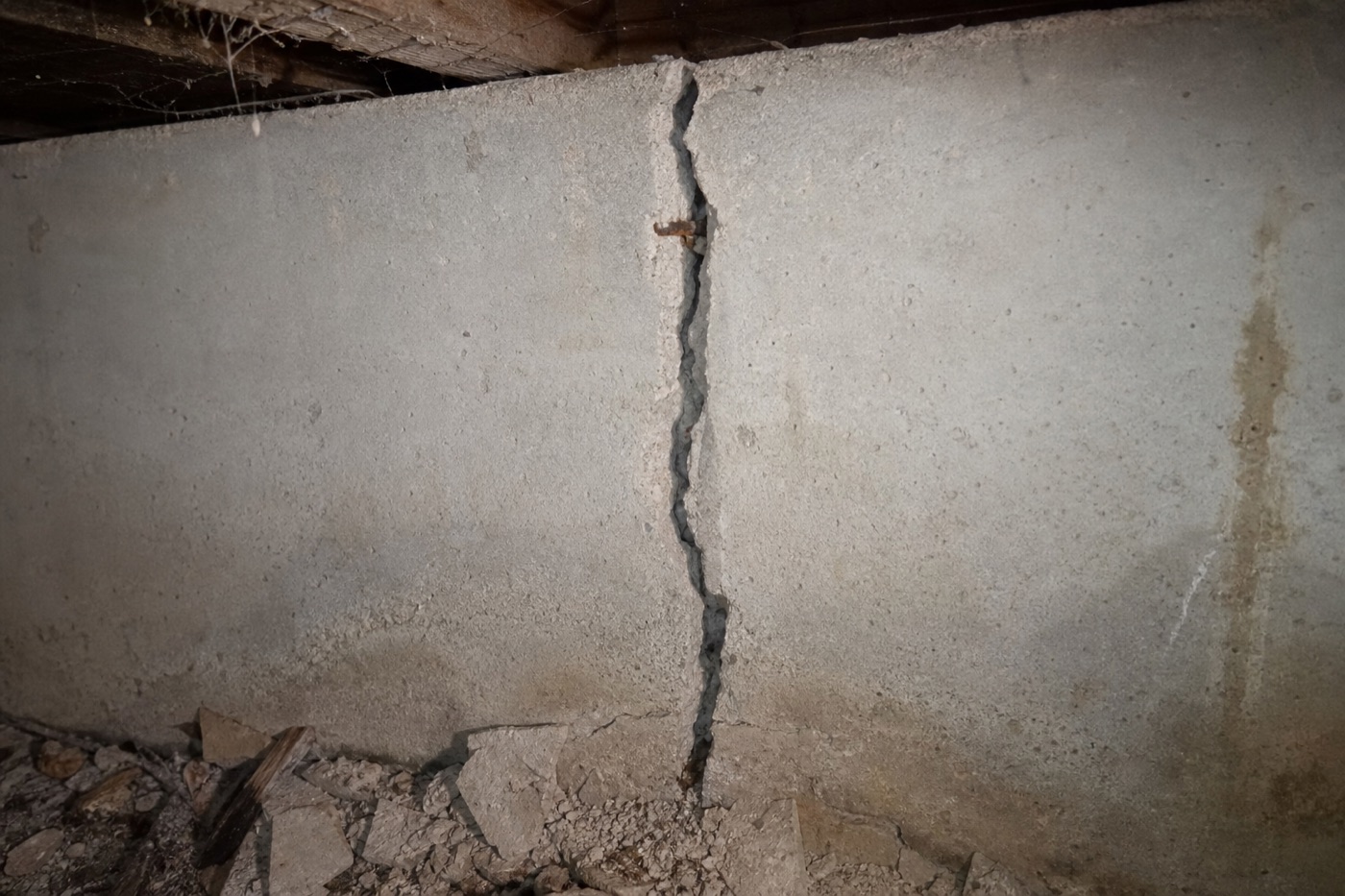
Vertical crack in a residential foundation wall indicating structural settlement

8 common signs of foundation settlement

  1. Cracks in exterior brick or interior drywall
  2. Doors or windows that stick or won't latch
  3. Uneven or sloping floors
  4. Gaps between walls, ceilings, or crown molding
  5. Separating baseboards or trim
  6. Cracks in tile or concrete floors
  7. Water pooling near the foundation after rain
  8. Chimney or porch pulling away from the house

One symptom vs a pattern

A single hairline crack rarely tells the whole story. When three or more signs appear together — especially after drought or heavy rain — clay soil movement is likely and an inspection is warranted.

What to do next

Document symptoms with photos, note when they appeared, and schedule a free inspection. Early intervention on Ellis County clay often costs less than waiting until structural damage spreads.

Contact Ellis County Pros · Foundation repair in Waxahachie · Foundation repair in Midlothian · Foundation repair cost guide · Clay soil guide

Common questions

What are signs your house is settling? +

Common signs include cracks in brick or drywall, doors and windows that stick, uneven floors, gaps between walls and ceilings, separating trim, tile cracks, water pooling near the foundation, and chimneys or porches pulling away. On Ellis County clay, several symptoms together matter more than a single hairline crack.

What are foundation settling signs? +

Foundation settling signs overlap with general house settling: stair-step cracks in brick, diagonal cracks at door frames, sloping floors, and windows that will not latch. Persistent symptoms after drought or heavy rain often point to clay soil movement rather than normal seasonal change.

What are signs of foundation settlement? +

Watch for a pattern — not an isolated crack. Three or more signs (sticking doors, floor slope, exterior brick cracks, ceiling gaps) especially clustered on one side of the home suggest active settlement on expansive soil. A free inspection measures elevation differences and confirms whether piers or drainage are needed.

Is house settling normal? +

Minor settlement in the first few years after construction can be normal on North Texas clay. What is not normal is ongoing movement: cracks that grow, new sticking doors each season, or visible floor slope. Ellis County homeowners should inspect when symptoms cluster or worsen after weather swings.

How long does it take for a house to settle? +

Initial settlement on clay soil often shows in the first 5–10 years after construction — sometimes sooner on heavily graded lots. Ongoing settlement from shrink-swell cycles can continue for decades if drainage and moisture are not managed. Symptoms that appear suddenly after a drought or storm deserve a professional look.

When should I worry about a settling house? +

Worry when symptoms multiply or accelerate: multiple sticking doors, widening cracks, sloping floors, or water pooling at the foundation. On Blackland Prairie clay, early assessment often costs less than major pier work after years of unchecked movement.

Get a free foundation inspection from a local Ellis County specialist.

Call for Free Inspection